
Journal
Maximalism Is Back. But Was It Ever Really Gone?
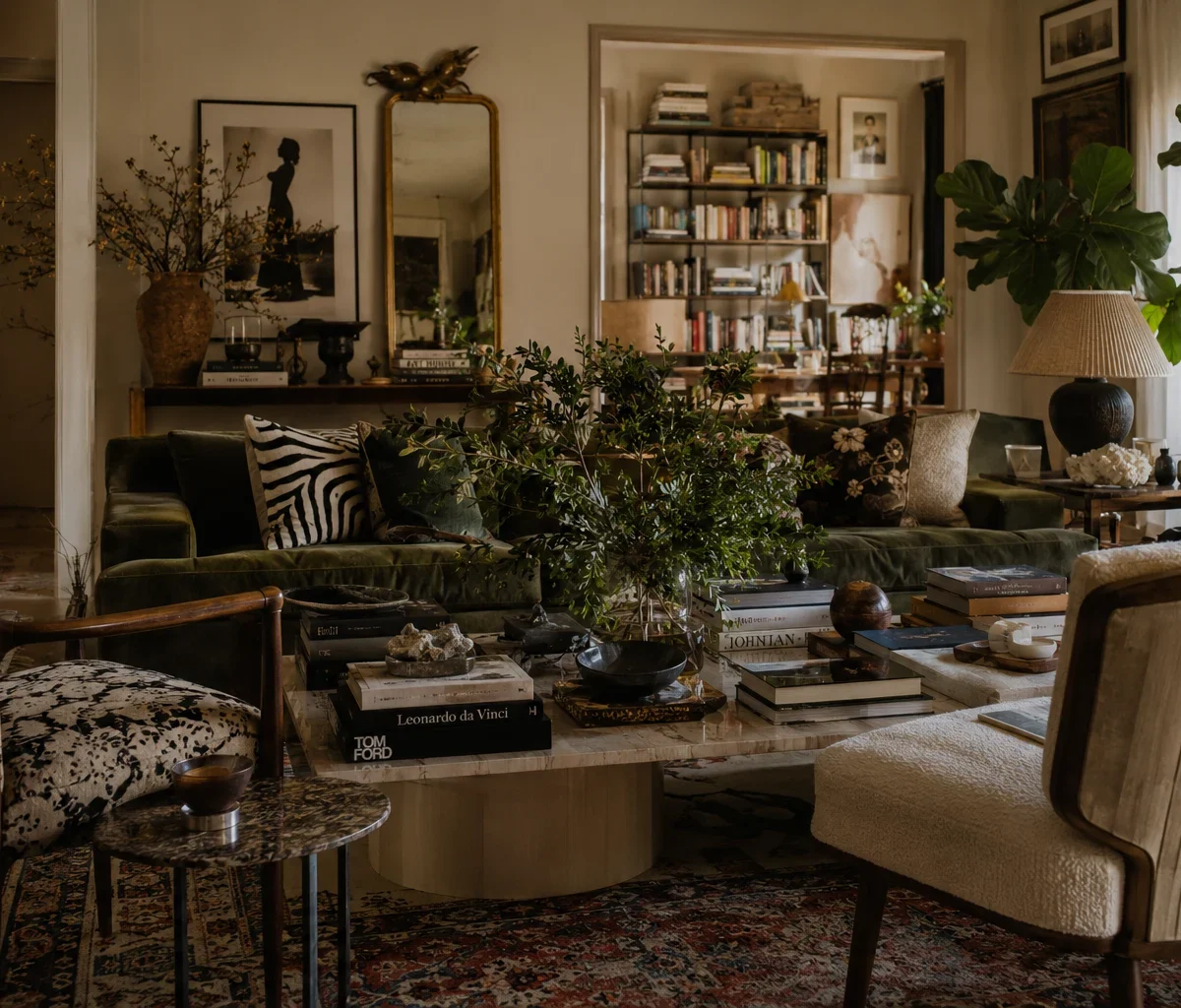
I keep reading that maximalism is making a comeback. That the era of white walls and single-stem vases is over, and that we are all suddenly ready to fill our homes with pattern, colour, and objects again. I have thoughts.
The Cycle We Refuse to Acknowledge
Here is how design trends actually work: something gets popular, it gets overdone, people get tired of it, the opposite becomes fashionable, that gets overdone, and then the original thing comes back as a “revival.” This is not a cultural shift. This is a content cycle dressed up as one.
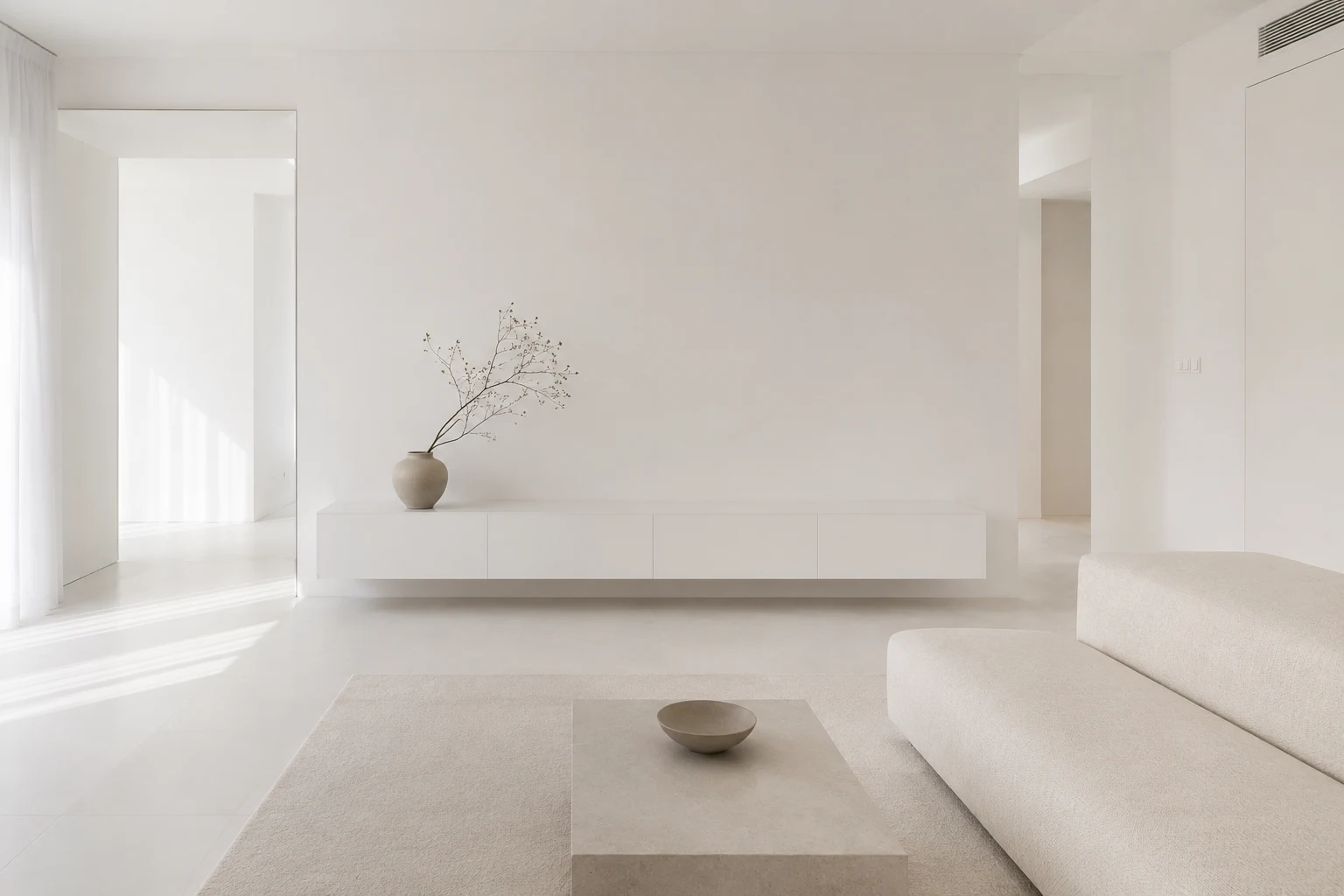
Minimalism peaked somewhere around 2018. The all-white kitchen, the Muji-coded living room, the single Eames chair in an otherwise empty space. It was beautiful. It was also, eventually, exhausting in its refusal to hold anything messy or personal. So the algorithm did what the algorithm does: it found the opposite and called it new.
But maximalism was never gone. It was just not being photographed.
What Maximalism Actually Means (When It Is Done Well)
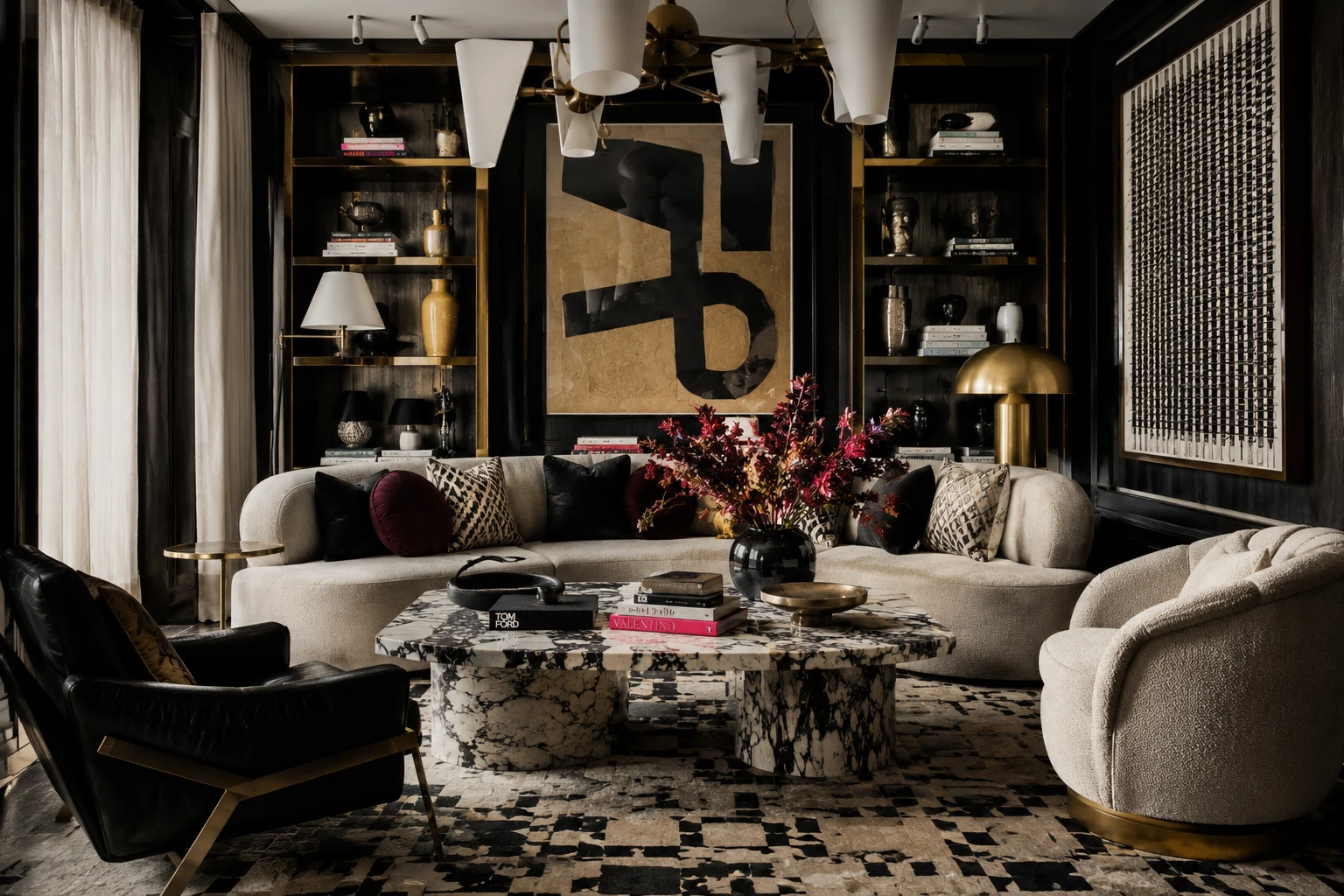
Real maximalism, not the Instagram version where someone throws twelve cushions on a sofa and calls it a day, is about density of meaning. It is the room that holds objects because each one was chosen for a reason. The bookshelf that is actually read. The gallery wall that took ten years to build, not ten minutes on a mood board.
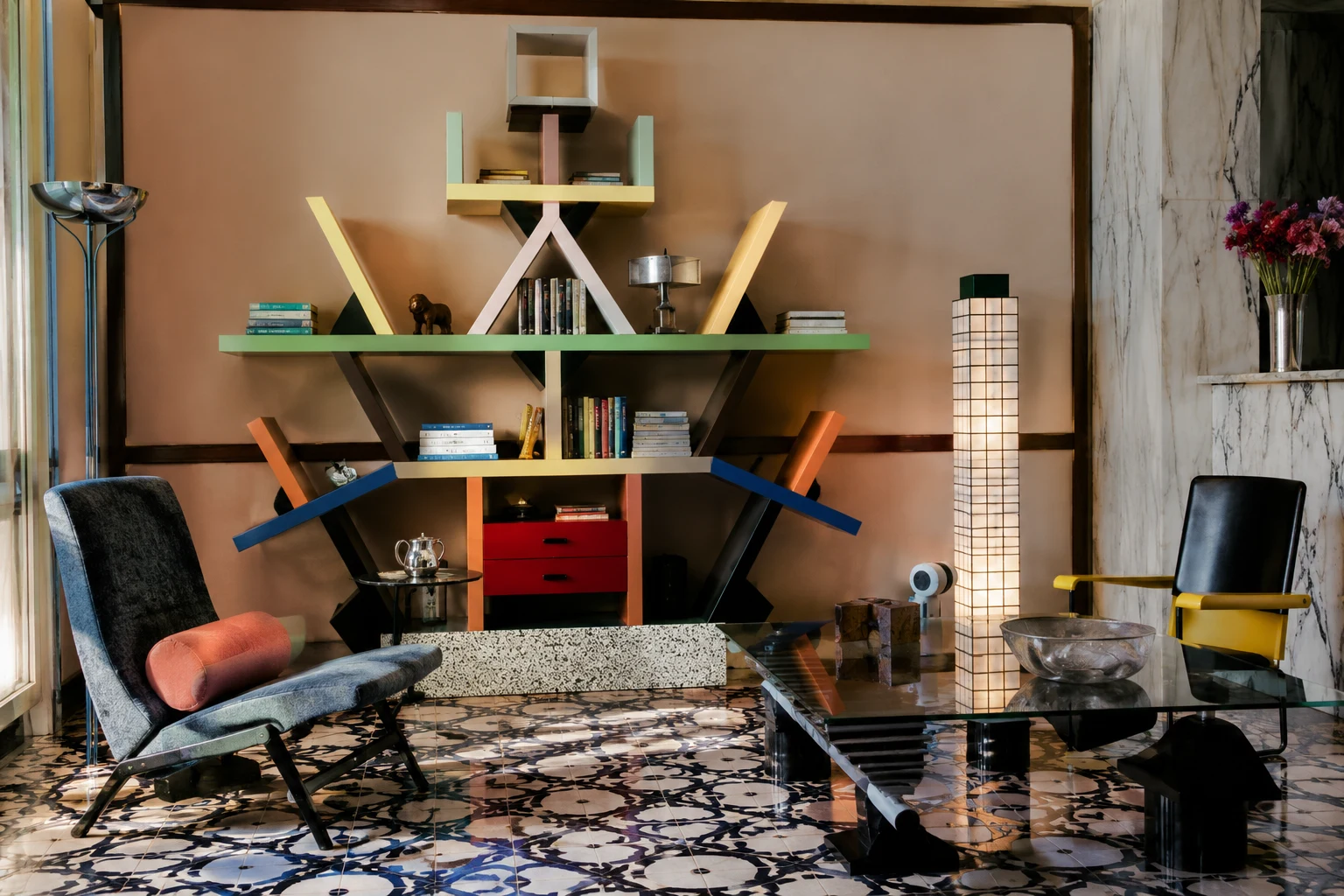
Think of Gio Ponti’s interiors at the Hotel Parco dei Principi in Sorrento. Every surface patterned, every tile hand-cut, every colour deliberate. That was maximalism with a spine. Or the Memphis Group in the 1980s, when Ettore Sottsass and his collaborators decided that furniture could be loud, irrational, and joyful, and that this was not a contradiction of good design but an expansion of it.
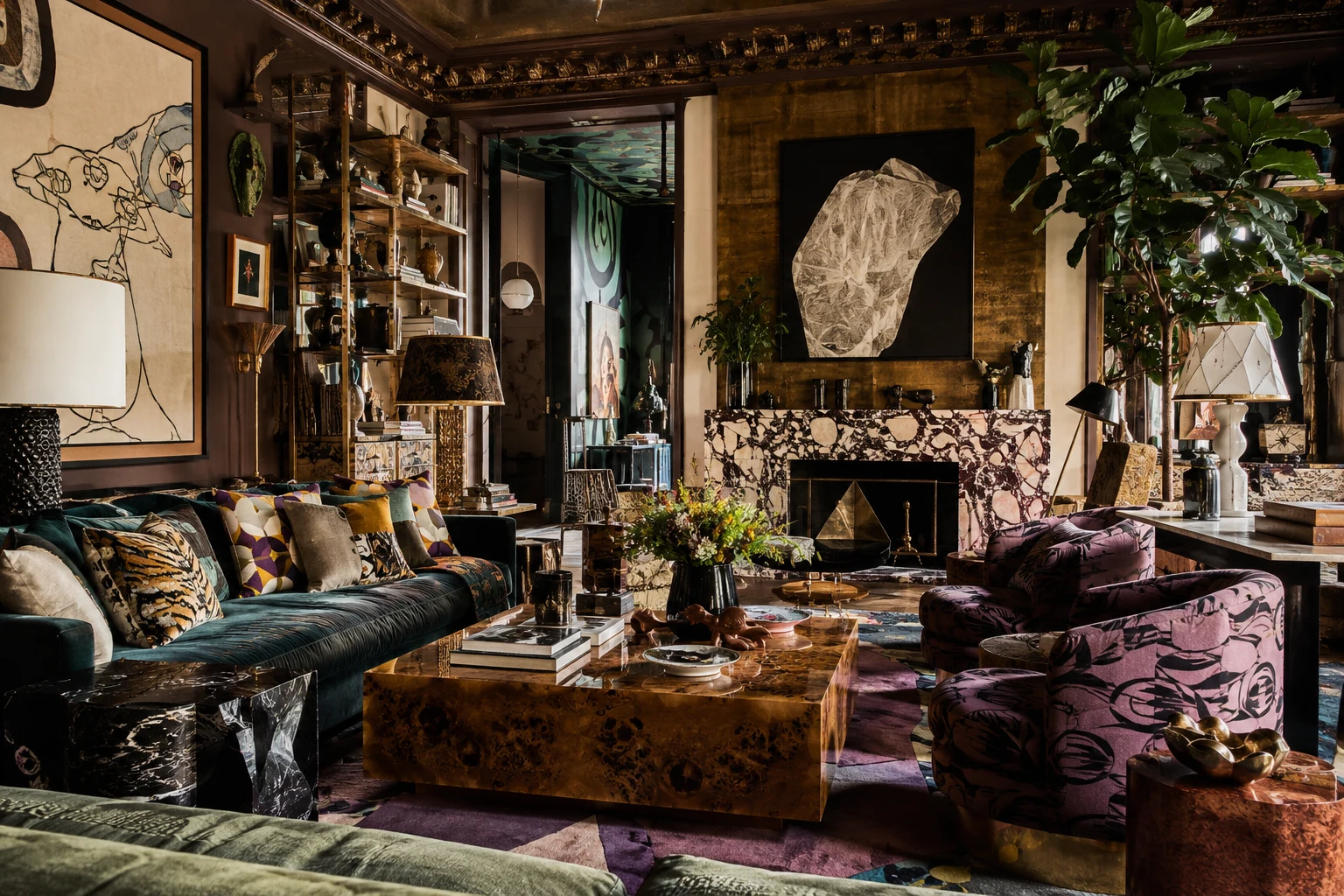
More recently, Kelly Wearstler has been doing this for two decades. Layering materials, mixing eras, putting a 1970s brass sculpture next to a contemporary terrazzo table and making it look inevitable rather than chaotic. Greg Natale does it in Melbourne. Geometric patterns, bold colour, sharp tailoring. These are not people following a trend. These are people with a point of view.
The Problem With Maximalism as Aesthetic
The issue is not maximalism itself. The issue is what happens when the internet gets hold of it.
TikTok maximalism is often just accumulation. More stuff, more colour, more pattern, without any understanding of why. It is the design equivalent of shouting. Volume without content. A room full of objects that mean nothing to the person who bought them, arranged to be photographed rather than lived in.
This is not maximalism. This is clutter with a filter on it.
Real maximalism requires more editorial judgement than minimalism, not less. When you have fewer objects, each one carries more weight. When you have many objects, the relationships between them, the rhythm, the colour story, the tension between old and new, are what hold the room together. Get those relationships wrong and you do not have a maximalist room. You have a storage unit.
So Is It a Real Shift or Not?
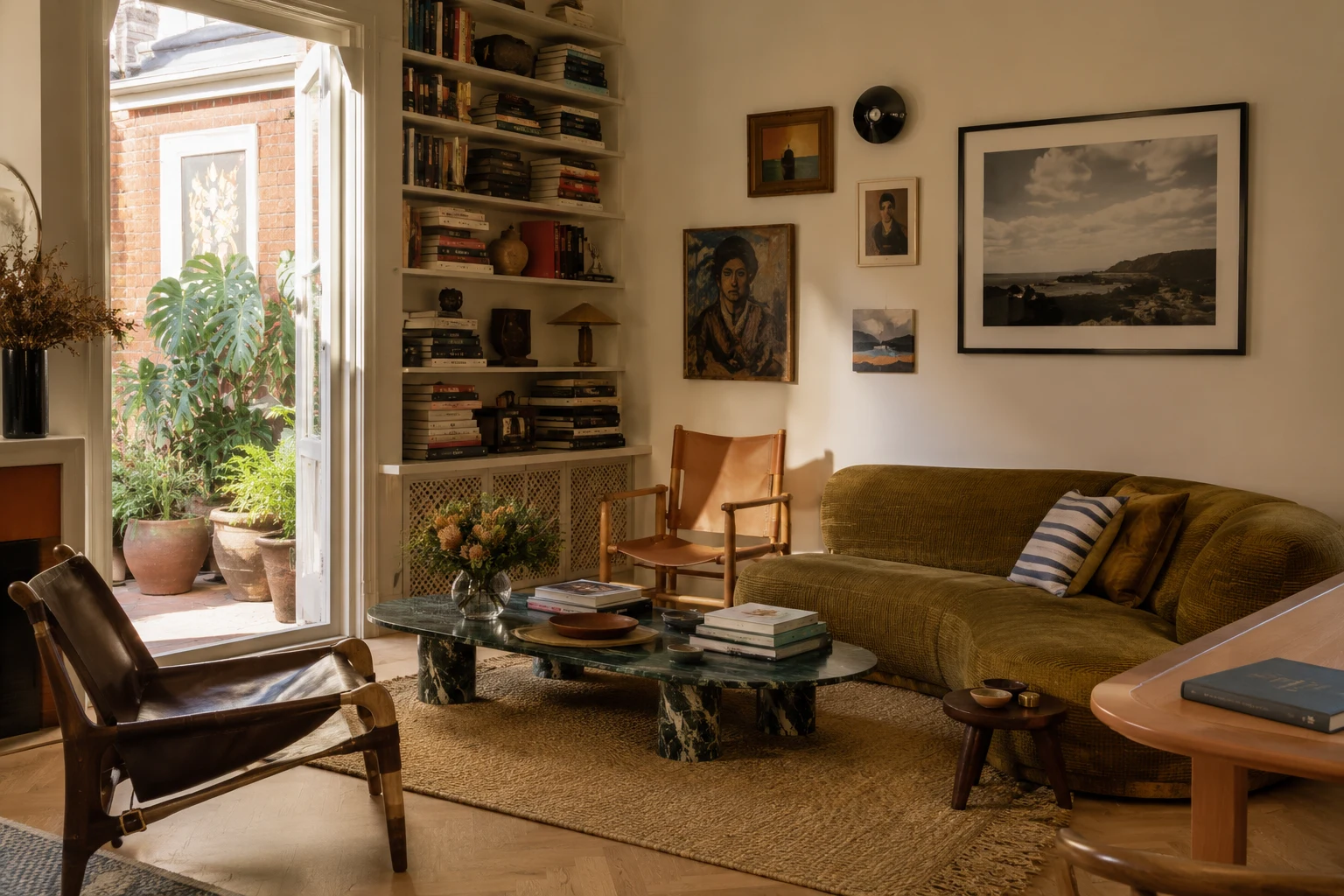
Partly. There is a genuine cultural fatigue with the austerity of the last decade. The idea that taste means restraint, that personality is messy, that a good room should look like nobody lives in it. That fatigue is real, and it is pushing people toward spaces that feel warmer, more layered, more human.
But the version of maximalism being sold to us right now, the saturated, hyper-styled, endlessly repinnable version, is just the content machine finding a new surface to colonise. It will be overdone. It will be exhausted. And in three years, someone will write an article about the return of minimalism, and the whole thing will start again.
What I Actually Think
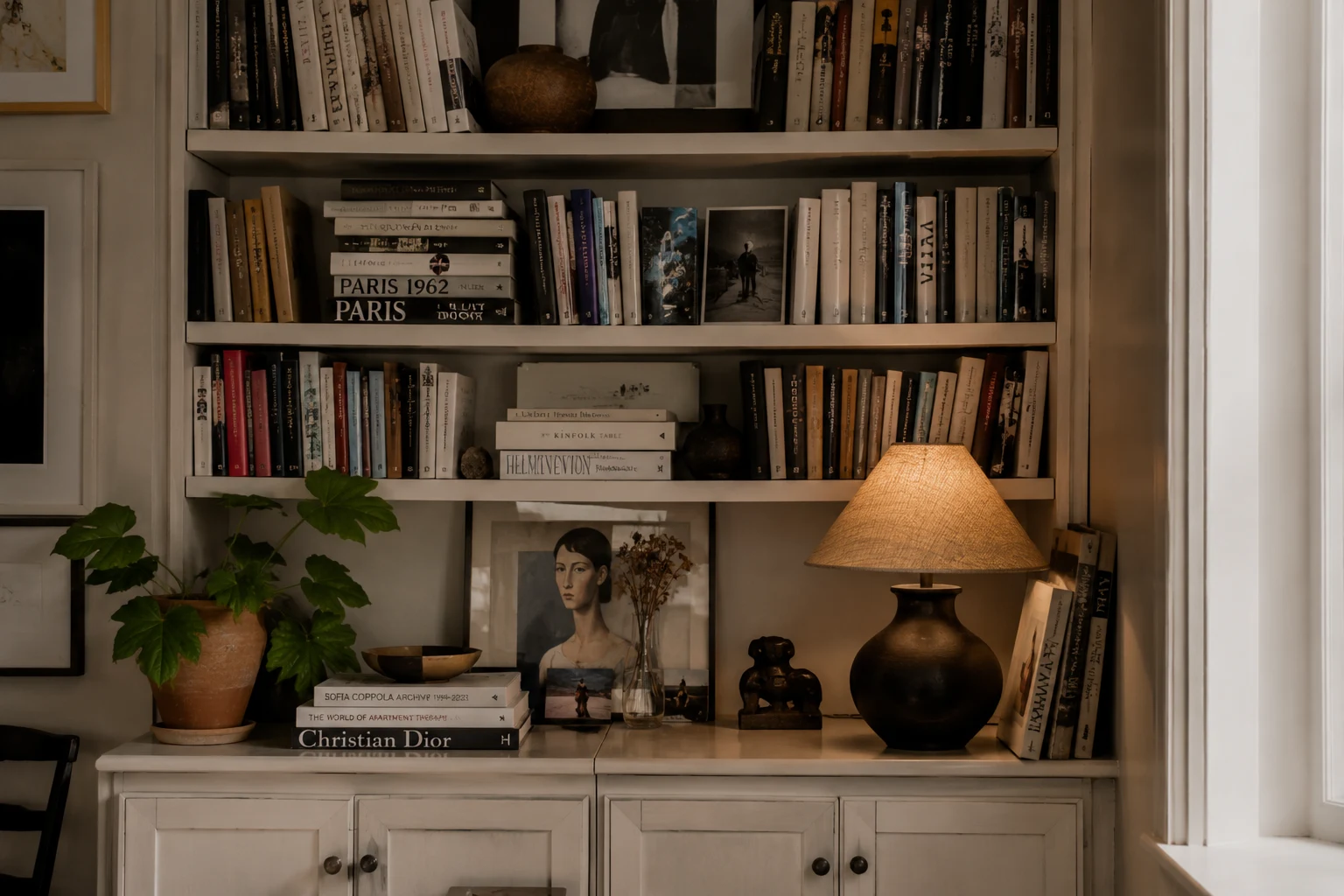
The rooms I remember, the ones that stay with me long after I have left them, are neither minimalist nor maximalist. They are specific. They belong to the people who live in them. They have a bookshelf that is slightly chaotic, a painting that was bought on impulse and never regretted, a sofa that has been reupholstered twice because the first fabric was wrong and the second one was right.
The best rooms are not arguments for a style. They are arguments for a life. And if that life happens to be full of colour and pattern and objects that mean something, then call it maximalism if you want. I would just call it honest.
The question is not whether maximalism is back. The question is whether we can do it without the algorithm telling us how.
Keep Reading
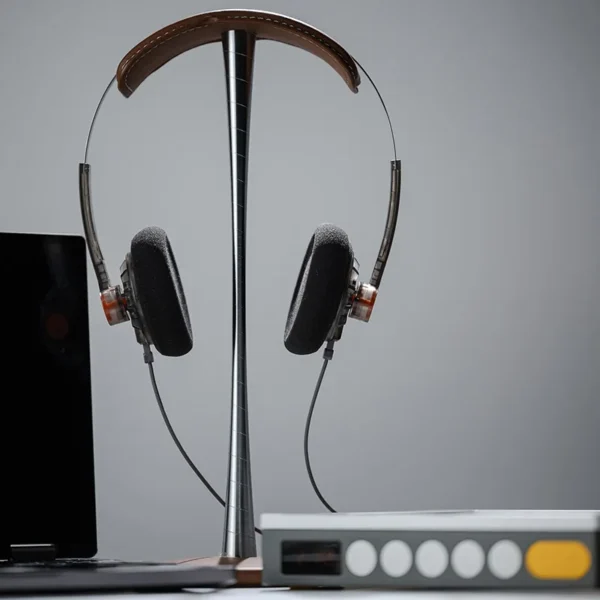
From the Walkman to Wired Headphones in 2026: Why This Audio Design Never Dies
By Suzu Haruhi In 1979, Sony introduced the Walkman and changed the way people listened to music. For the first time, sound became private,…
Read article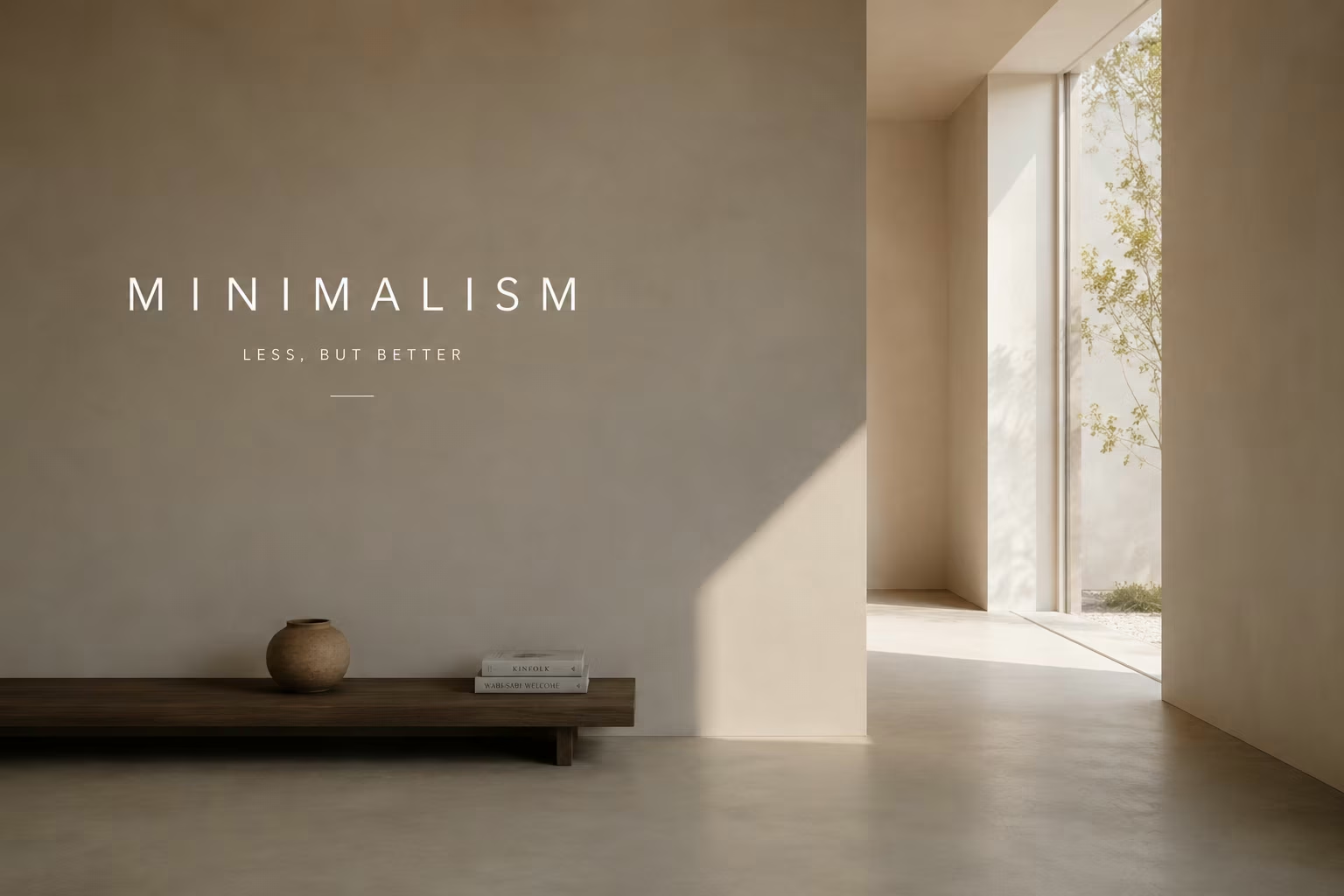
The Emptiness We Chose: What Minimalism Really Tells Us About How We Live
Minimalism has become one of the defining aesthetics of the twenty-first century, and yet the word itself has lost almost all meaning. A deep…
Read article