
Journal
Why Industrial Style Never Goes Out of Fashion
Why Industrial Style Never Goes Out of Fashion
By Suzu Haruhi
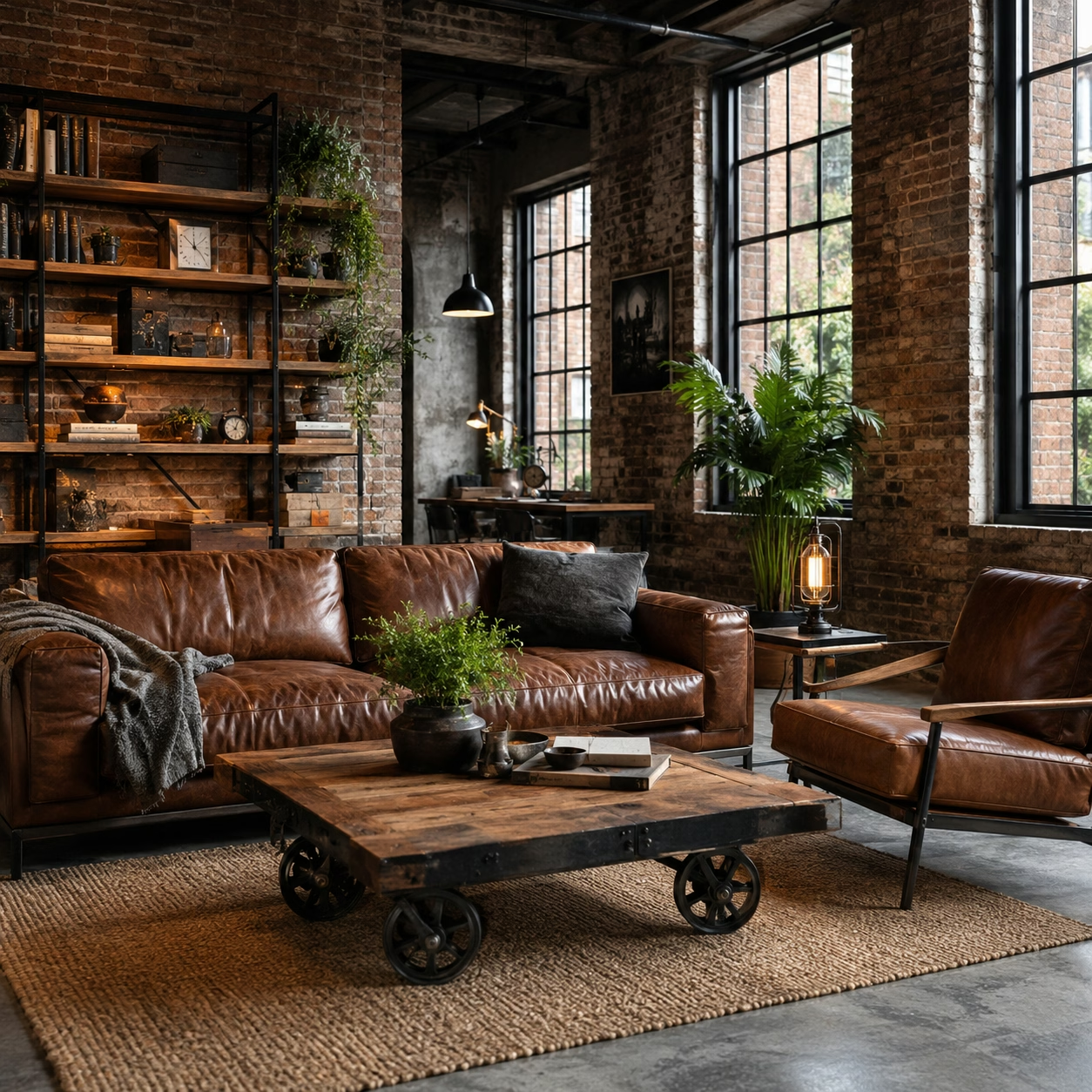
Industrial style has survived almost every interior design trend of the last three decades. Minimalism softened. Maximalism returned. Japandi became a language of calm. Yet industrial interiors kept their place: exposed brick, blackened steel, concrete floors, timber shelves, large windows, and objects that feel built rather than decorated.
That endurance is not accidental.
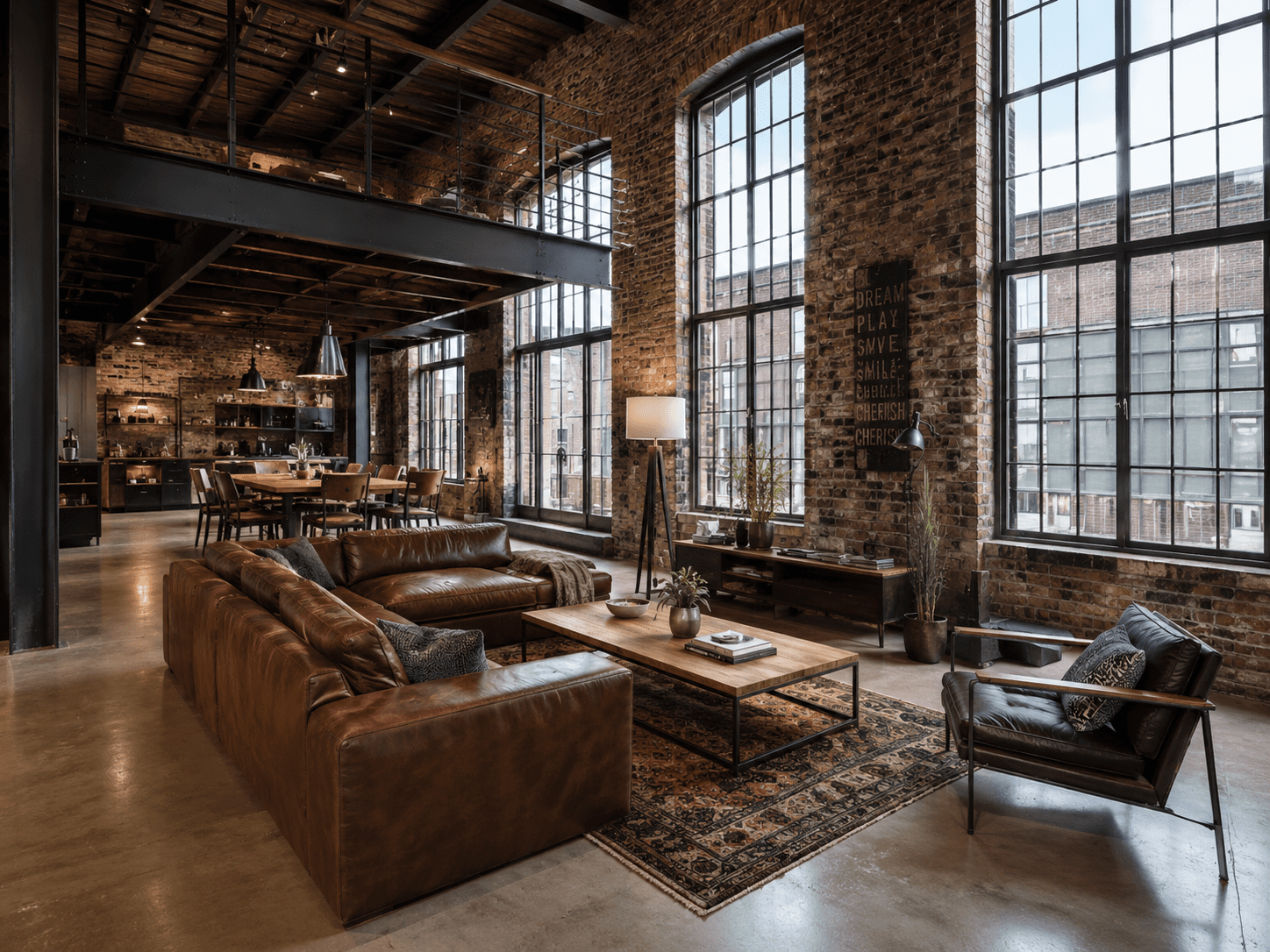
Industrial interior design is a style inspired by former factories, warehouses, workshops, and loft conversions. It is characterised by honest materials, visible construction, open spaces, and a restrained palette of steel, concrete, brick, timber, leather, and glass. But at its best, industrial style is not simply an aesthetic. It is a principle.
It is the belief that a material should be allowed to look like itself.
What Is Industrial Interior Design?
Industrial interior design comes from the conversion of former industrial buildings into residential spaces. Warehouses, factories, workshops, and old commercial buildings were not originally designed to look beautiful. They were designed to work.
Their defining features were practical before they became decorative.
Exposed brick was not a feature wall. It was the wall structure itself, left visible because factories did not require polished domestic finishes.
Concrete floors were not a design statement. They were durable surfaces made to withstand machinery, movement, and use.
Steel-framed windows were not chosen for style. They allowed light into large working spaces.
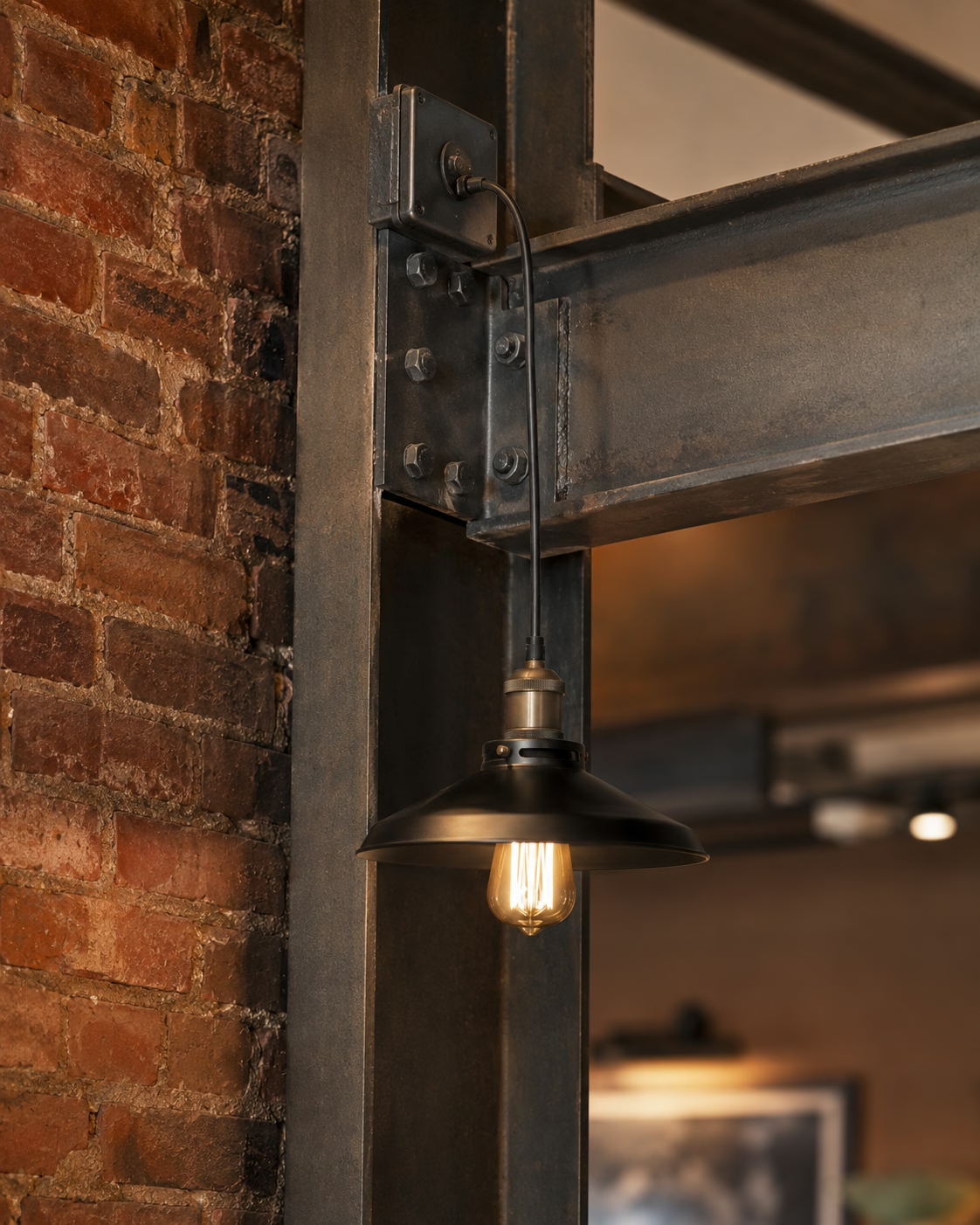
Exposed ductwork, pipes, and beams were not decorative gestures. They were mechanical and structural systems left visible because concealing them was unnecessary.
When these buildings became homes, their practical features became visual language. Designers did not invent industrial style from nothing. They inherited it from buildings that were already honest about how they were made.
This is why industrial style continues to feel relevant. It is not built around seasonal colours or decorative motifs. It is built around structure, material, and purpose.
Why Industrial Style Has Lasted So Long
Most interior trends age because they depend on surface treatment. A colour palette becomes overused. A pattern feels tied to a specific decade. A decorative object begins to look like a cliché.
Industrial style is different because its strongest elements are not decorative. Brick, steel, timber, concrete, and glass are not trends. They are materials.
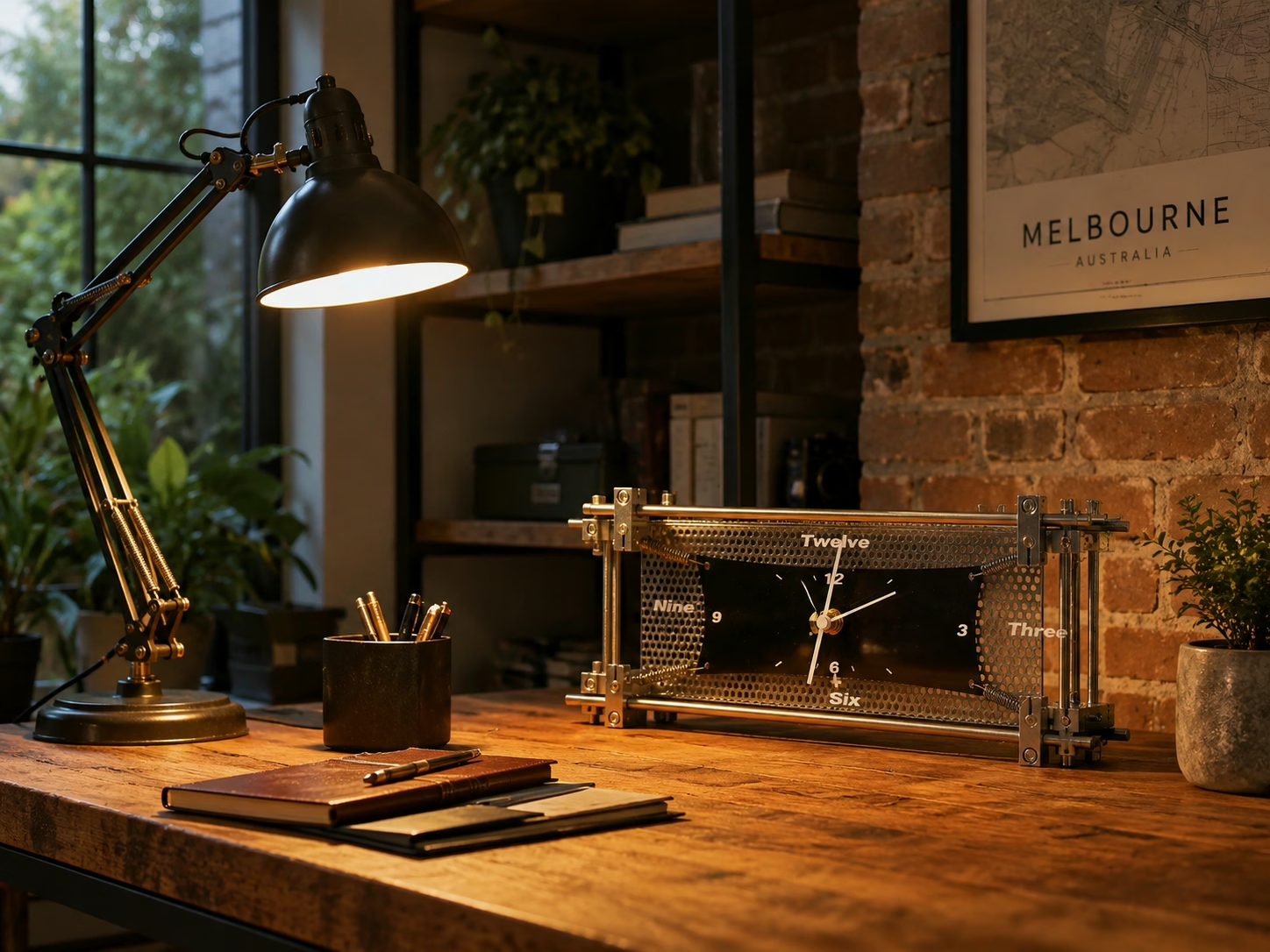
A steel shelf bracket does not become dated in the same way a fashionable print does. A concrete planter does not rely on novelty. A mechanical desk clock with exposed screws, rods, and visible construction does not need ornament because its structure already gives it presence.
Industrial interiors also endure because they create contrast. They bring weight into soft rooms. They add structure to minimal spaces. They give modern homes a sense of history, even when the architecture itself is new.
The best industrial interiors are not cold. They are balanced. Steel is softened by timber. Concrete is warmed by textiles. Mechanical details are softened by books, ceramics, plants, and warm lighting.
That balance is what keeps the style from becoming theatrical.
Key Materials in Industrial Home Decor
Industrial home decor works best when the materials feel authentic. The goal is not to make a home look like a factory. The goal is to introduce objects and finishes that feel honest, durable, and visually grounded.
Blackened Steel
Blackened steel is one of the clearest industrial references. It can appear in shelf brackets, mirror frames, table legs, lighting fixtures, hooks, or open shelving.
A small amount goes a long way. One black steel frame can anchor a room. Too much can make the space feel heavy.
Raw or Matte Timber
Industrial interiors often use timber to balance the hardness of metal and concrete. The best timber for this style usually has visible grain, a matte finish, and a sense of texture.
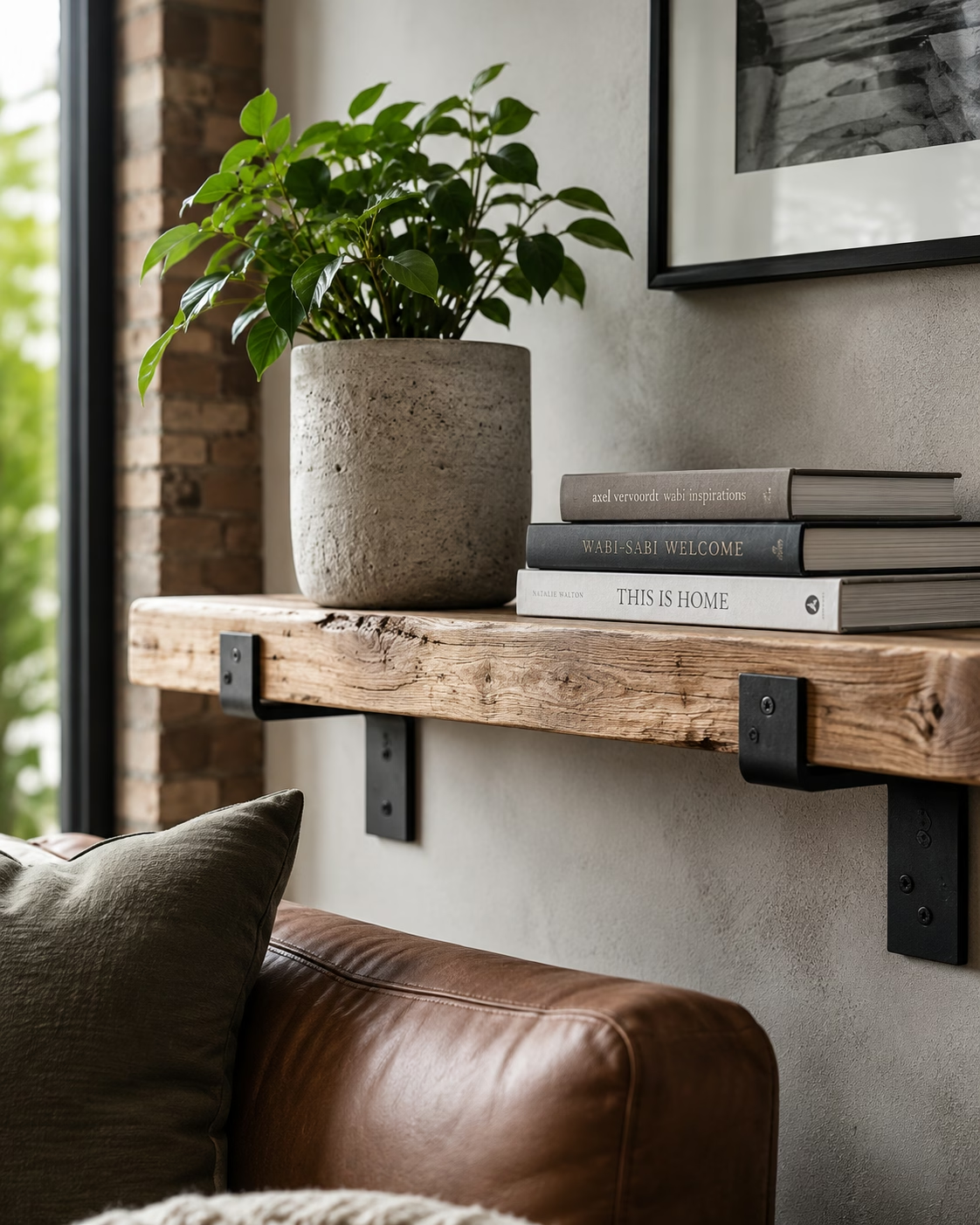
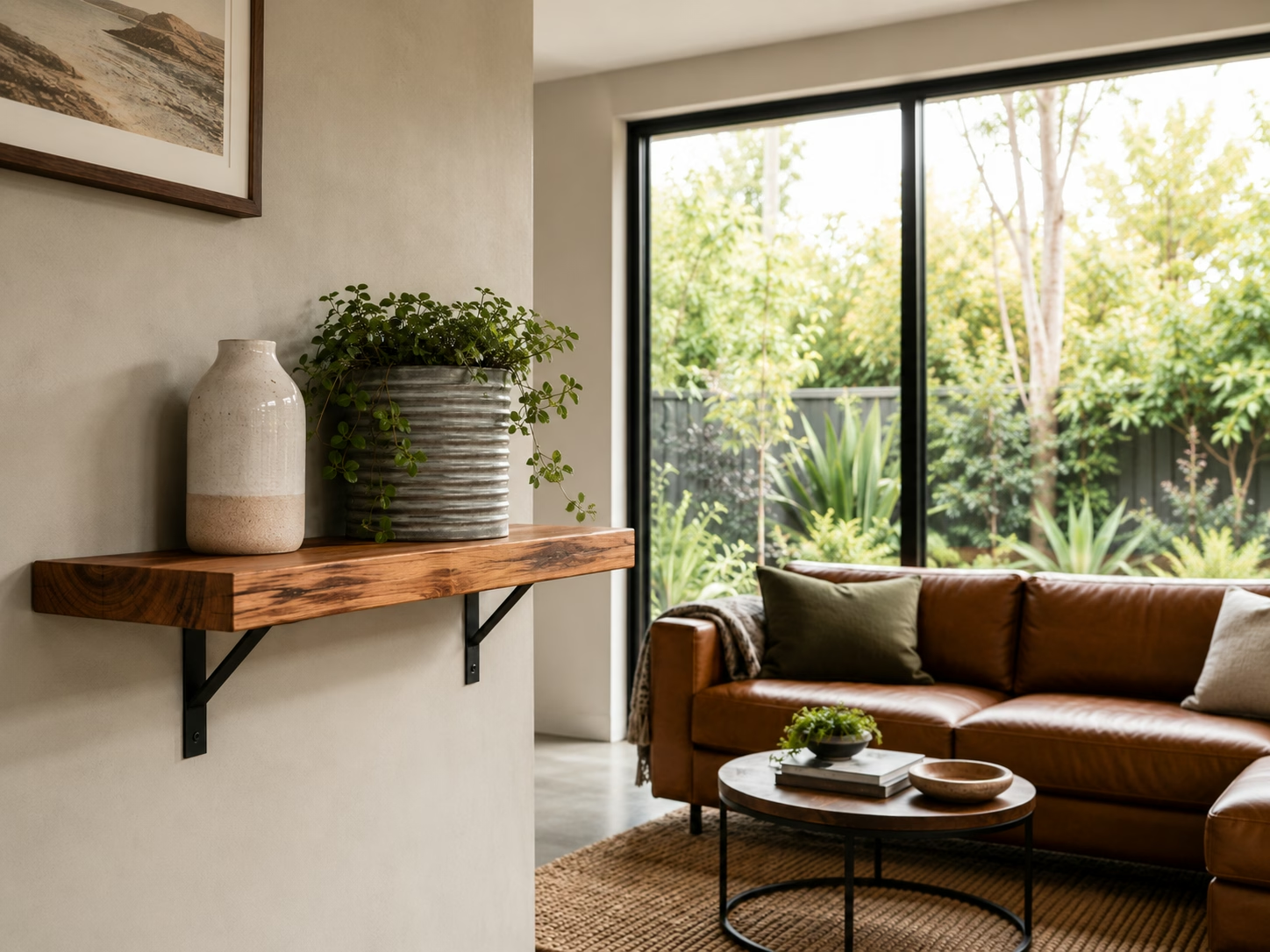
A raw timber shelf on blackened steel brackets is one of the simplest ways to introduce industrial style without renovating.
Concrete
Concrete brings visual weight and calm. In a full renovation, it might appear as a floor, wall finish, or benchtop. In a rental or finished home, it can be introduced through smaller objects: planters, trays, bookends, lamps, or desk organisers.
Concrete works especially well when paired with soft textiles and warm lighting.
Exposed Brick
Exposed brick is one of the most recognisable industrial materials. It brings texture, history, and warmth. If your home does not have original brick, avoid fake brick panels or printed wallpaper. They rarely age well.
Instead, reference the same texture through ceramics, terracotta, warm-toned stone, or handmade objects.
Glass and Metal
Steel-framed mirrors, glass cabinets, metal-framed shelving, and simple pendant lights all carry industrial DNA. They work because they reveal structure rather than hiding it.
How to Add Industrial Style Without Renovating
You do not need a converted warehouse to create an industrial interior. In most homes, the strongest approach is restraint. Introduce one or two industrial elements, then let them create contrast with the rest of the room.
Start With One Structural Object
A black steel mirror, a timber-and-metal side table, or a slim open shelf can immediately shift the mood of a room.
The object should feel built rather than decorated. Look for visible frames, simple joints, matte metal, solid timber, and forms that suggest function before ornament. Industrial style works best when the structure of an object is easy to understand.
Use Lighting as an Industrial Reference
Lighting is one of the easiest ways to bring industrial style into a home.
A pendant light with a simple metal shade can work above a dining table, kitchen counter, or reading corner. A task lamp with a matte black, steel, or raw brass finish can add the same feeling on a desk or bedside table.
Exposed filament bulbs can work, but they should be used carefully. One exposed bulb can feel intentional. Five can feel like a restaurant theme.
Add a Mechanical Desk Object
Industrial style does not always need to begin with a renovation, a brick wall, or a steel-framed bookcase. A single mechanical object can carry the same visual language.
A desk clock with exposed screws, metal rods, springs, and visible construction introduces the feeling of a workshop into a room without making the space feel themed. It works because its structure is part of its presence. The object does not hide how it is made.
Add Practical Wall Details
Hooks, rails, brackets, and wall-mounted storage are small but effective. Industrial design is closely connected to utility, so functional objects often feel more convincing than decorative ones.
A set of black metal hooks near an entryway, a narrow shelf above a desk, or a simple steel-framed mirror can add character without overwhelming the space.
Pair Hard Materials With Warm Textures
The mistake many people make with industrial decorating is using only hard surfaces. Steel, concrete, and brick need contrast.
Pair them with linen curtains, wool throws, leather seating, ceramic vases, timber accents, and warm white lighting. The result feels lived-in rather than staged.
Industrial Furniture and Objects That Work in Modern Homes
Industrial design is at its best when an object looks practical before it looks decorative. The form should feel useful, grounded, and easy to understand.
Metal-Frame Shelving
A metal-frame shelf or open storage unit can bring height, structure, and function to a room while remaining visually light. It works especially well when styled with books, ceramics, plants, and everyday objects.
Avoid over-styling it. Industrial interiors feel more convincing when they look collected rather than arranged.
Steel-and-Timber Desks
The steel-and-timber desk references the workbench, one of the original objects of industrial space. It works particularly well in a home office because it feels functional and grounded.
Mechanical Table Clocks
A mechanical table clock is a smaller way to introduce industrial character. Unlike purely decorative objects, it carries a sense of function. Its rods, screws, springs, and metallic components echo the language of machinery and workshop tools.
Placed on a desk, shelf, or bedside table, it adds a precise industrial note without overwhelming the room.
Metal Stools and Chairs
Classic metal stools, workshop chairs, and café-style seating can add a subtle industrial note. Use them sparingly. One or two pieces can create character. A full matching set can feel too literal.
Industrial Mirrors
A steel-framed mirror is a useful way to introduce the style without adding visual clutter. It reflects light, adds structure, and works in entryways, bedrooms, bathrooms, and living rooms.
The Restraint Problem
The most common mistake with industrial style is overcommitment.
One or two industrial elements in a warm domestic room create tension and character. Ten industrial elements create a theme.
Industrial interiors should not feel like a set. They should feel like a home with strong materials and a clear point of view.
What to Avoid
Faux industrial finishes. Concrete-look wallpaper, fake brick panels, and imitation metal surfaces usually age badly. They imitate honesty rather than expressing it.
Too many Edison bulbs. Exposed bulbs have become one of the biggest industrial clichés. Use them only when the fixture itself is strong enough to justify the choice.
Too much black steel. Black metal is powerful, but too much of it can make a room feel oppressive. Balance it with timber, textiles, plants, and light.
Theme-based decorating. Industrial style should not look like a restaurant, bar, or showroom. It should feel integrated into the way you live.
Industrial Style in Australian Homes
Australia has a specific relationship with industrial interiors. In cities such as Melbourne, Sydney, and Brisbane, many former warehouses, factories, and commercial buildings have been converted into apartments, studios, and creative spaces.
But Australian industrial design does not need to copy New York lofts or European factories. It works best when it responds to local materials and climate.
Spotted gum can replace reclaimed American pine. Bluestone can bring weight and texture in place of poured concrete. Corrugated steel can reference rural and industrial architecture without feeling artificial. Large windows, indoor plants, and natural light can soften the harder edges of the style.
The most successful Australian industrial interiors feel local, not imported.
How to Make Industrial Style Feel Warm
Industrial design can become cold when it is treated only as a palette of grey, black, and metal. The key is warmth.
Use timber wherever possible. Choose warm bulbs instead of cool white lighting. Add texture through rugs, linen, wool, leather, and ceramics. Bring in plants to soften hard surfaces. Leave space around objects so the materials can breathe.
A good industrial room should feel calm, grounded, and lived-in. Not empty. Not harsh. Not performative.
The goal is not to recreate a warehouse. The goal is to borrow its honesty.
Why Industrial Style Never Goes Out of Fashion
Industrial style endures because it is based on things that do not need disguise.
A brick wall does not pretend to be anything else. A steel beam is not decorative first; it is structural. A timber shelf exists to hold weight. A mechanical clock with visible components does not need to hide its construction to become beautiful.
In a design culture that moves quickly from one trend to the next, that honesty becomes rare. It gives industrial interiors their permanence.
You do not need exposed ductwork or a warehouse conversion to understand the appeal. You need one honest material, one useful object, one visible structure, one detail that does not apologise for what it is.
Industrial style is not about making a home look unfinished. It is about allowing certain things to remain true.
And truth does not go out of fashion.
The next time you are tempted to cover something up, ask yourself what would happen if you left it exposed.
Keep Reading
How to Style Photo Frames Without Making Your Walls Look Like a Storage Unit
How to Style Photo Frames Without Making Your Walls Look Like a Storage Unit Walk into any Australian home built in the last twenty…
Read article
How to Style a Living Room That Actually Feels Like Yours
How to Style a Living Room That Actually Feels Like Yours Most living rooms in Australia look like they were assembled by three different…
Read article
How to Display Dried Flowers at Home Without Them Looking Like a Funeral
Dried flowers have a reputation problem. For decades, they meant one thing: dusty arrangements in your grandmother’s hallway, slowly turning grey, collecting cobwebs, smelling…
Read article