Journal
How to Display Dried Flowers at Home Without Them Looking Like a Funeral
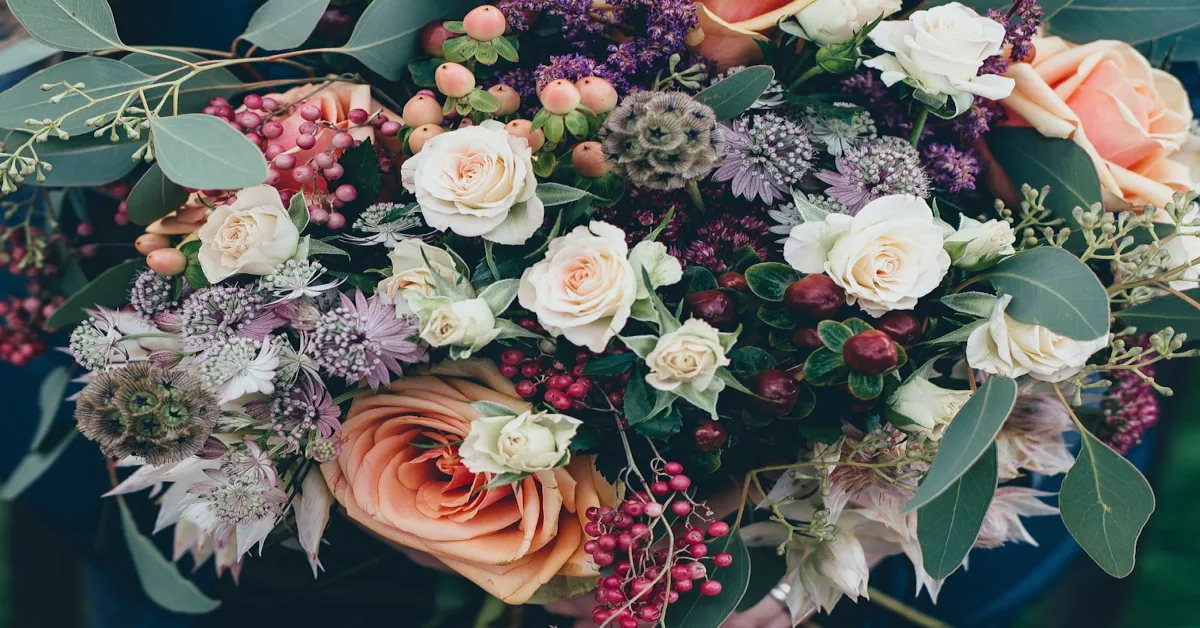
Dried flowers have a reputation problem. For decades, they meant one thing: dusty arrangements in your grandmother’s hallway, slowly turning grey, collecting cobwebs, smelling like nothing at all. The association with decay is hard to shake. But the dried flowers showing up in Australian homes right now are nothing like that. They’re sculptural, intentional, and when done right, they bring a kind of warmth that fresh flowers can’t sustain past their first week.
The difference between “dead flowers on a shelf” and “this room has something to say” comes down to three things: what you choose, how you arrange it, and what you put it in.
Choose Your Stems Like You Mean It
Not all dried flowers work. Some look magnificent for months. Others look like hay bales within a week. The distinction comes down to structure.
Banksia is the Australian standard for a reason. The seed heads have a sculptural quality that doesn’t fade. They’re dense, textured, and they hold their shape for years. The surface catches afternoon light and throws soft, warm shadows across nearby surfaces. Native to the east coast, they bring an Australian specificity that imported eucalyptus can’t match.
Pampas grass got overdone in 2020, but the plumes still work when you use them sparingly. One or two stems in a tall vase. Not a wall of fluff. The trick is choosing plumes that are still tight and silvery, not the ones that have shed half their feathers onto the floor.
Dried banksia robur (the large-leaf banksia) has broader, flatter seed heads that work in low arrangements. They sit differently from the cylindrical banksia serrata. Mix them for depth.
Lavender dries well but loses its colour fast. If you’re buying dried lavender, expect it to go from purple to grey-brown within two months. It still smells, which is its real value, but don’t rely on it for visual impact.
Strawflower (Xerochrysum bracteatum) is the hidden gem. Australian native, comes in warm oranges, reds, and yellows. It dries with its petals open and holds colour better than almost anything else. If you want warmth without painting a wall, a cluster of dried strawflowers does the job.
What to avoid: anything that was already fragile when fresh. Delicate petals, thin stems, anything that relied on water pressure to hold its shape. Roses dry well if hung upside down in a dark, dry space for two weeks. But most people don’t have the patience or the right conditions, and the result is often crumbly and sad.
The Vase Does Half the Work
A dried flower arrangement is only as good as the vessel holding it. This is where most people go wrong. They grab whatever vase they have, shove the stems in, and wonder why it looks like a hospital gift shop.
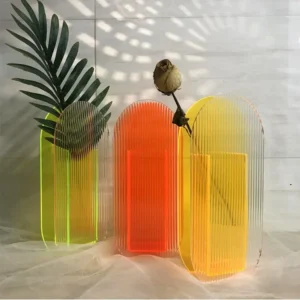
Transparency matters. A clear or translucent vase lets you see the stems, which adds a layer of visual interest. The stems become part of the arrangement, not just the parts hidden below the rim. A ribbed acrylic vase like the one from Stubborn Home Design absorbs and refracts afternoon light, throwing soft amber shadows across whatever surface it sits on. The arched silhouette gives the arrangement a sense of movement even when the flowers are completely still. At 25cm tall, it’s substantial enough to anchor a shelf or a dining table without dominating the room.
Proportion is everything. The vase should be roughly one-third the height of the arrangement. Too tall and the flowers disappear. Too short and they topple. For a shelf or console table, a low, wide vessel works better than a tall narrow one. For a dining table centrepiece, go taller so it doesn’t block sightlines across the table.
Material sets the mood. Ceramic in matte finishes grounds the arrangement. Glass adds lightness. Acrylic sits somewhere between, catching and refracting light in ways that make the whole display feel less static. Avoid glossy finishes unless you’re going for a very specific mid-century look. Matte surfaces absorb light rather than reflecting it, which softens the overall look and lets the flowers be the focus.
Placement: Where Dried Flowers Actually Work
Not every room is right for dried flowers. And not every surface in a room works equally well.
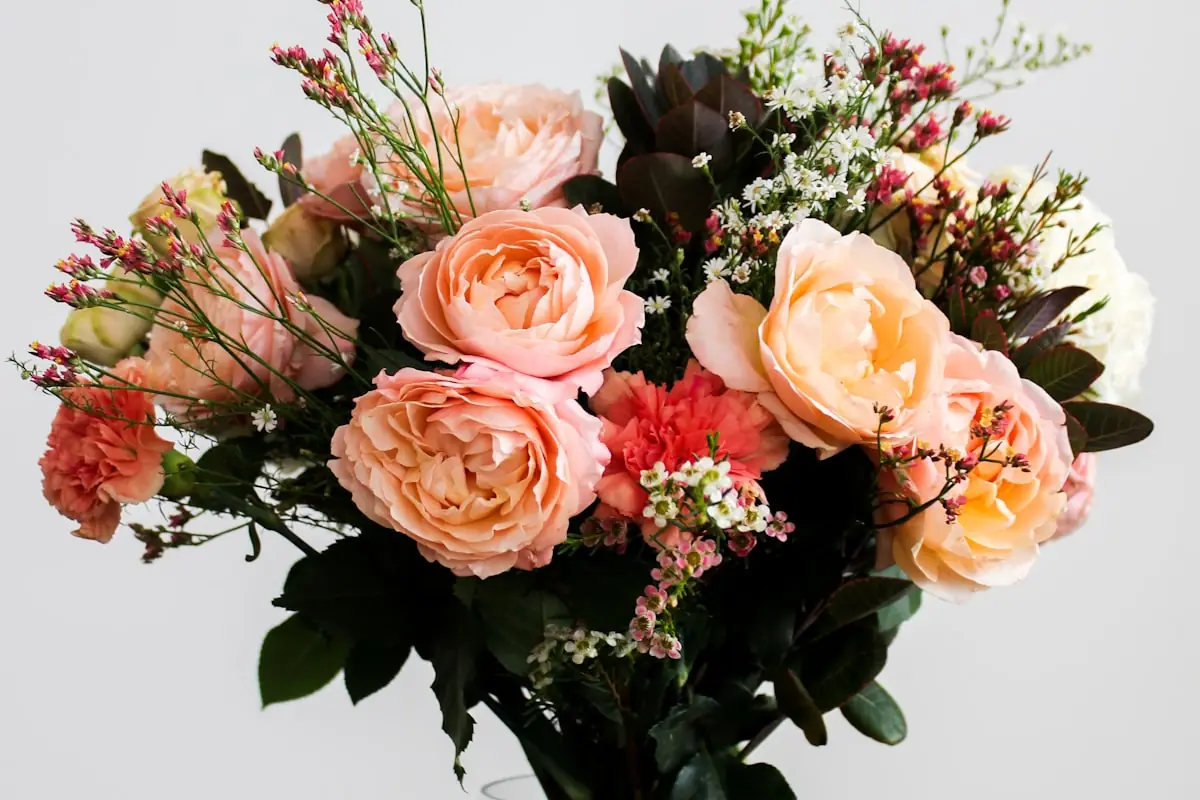
The living room shelf is the obvious spot, but it needs to be a shelf that gets indirect light. Dried flowers in a dark corner just look like clutter. Position the arrangement where afternoon light can reach it. The translucency of an acrylic vase means the light passes through the stems and creates a shadow play on the wall behind. We’ve covered how ambient lighting transforms a room, and the same principle applies here: objects that interact with light make spaces feel alive.
The dining table centrepiece works if the arrangement is low enough to talk over. Nothing kills a dinner conversation faster than a wall of pampas grass blocking the person across from you. Keep it under 40cm total height, or use a low, wide vessel with horizontally arranged stems.
The entryway console is underrated. A single banksia seed head in a narrow vase on a console table gives visitors an immediate sense of what the rest of the house feels like. It’s a signal. This home pays attention. If you’re working on your entryway, our guide to creating a gallery wall with floating frames and shelves covers the broader approach to styling these surfaces.
The bathroom is tricky. Humidity is the enemy of dried flowers. If your bathroom doesn’t have good ventilation, skip it. The moisture will make the stems go soft and mouldy within weeks.
The bedroom works with the right vessel. Something small and quiet on a bedside table, not a full arrangement. A single dried stem in a minimal vase is enough. It shouldn’t compete with the room’s purpose, which is rest.
What Kills a Dried Flower Arrangement
Too many stems. Five to seven is the sweet spot for a medium vase. More than that and it starts looking like a flower shop clearance bin.
Mixing too many textures. Pair one textured element (banksia, protea) with one smooth element (dried grasses, strawflower). Three or more textures fighting for attention creates visual noise.
Forgetting the negative space. The gaps between stems are as important as the stems themselves. An arrangement that’s packed too tightly loses its sense of lightness. Let some stems lean. Let there be air between them.
Sunlight that’s too direct. Indirect light makes dried flowers glow. Direct sunlight bleaches them. South-facing windows in Australia are fine. West-facing windows in Queensland will destroy your arrangement by summer.
Never refreshing. Dried flowers aren’t permanent. They last months, not years. When the colour fades or the stems start shedding, replace them. An arrangement that’s past its prime makes the whole room feel neglected.
The Australian Angle
Australia has a native dried flower tradition that most people overlook. Banksia, strawflower, kangaroo paw, and flannel flower all dry well and hold their form. They’re adapted to the climate. They don’t need special treatment. They just need to be cut at the right stage and hung in a dry, dark space for two to three weeks.
Buying local also means your arrangement tells a story. A banksia seed head on a Melbourne shelf says something different than a generic bunch of dried roses from a supermarket. It says this person knows what grows here.
The best time to collect native dried flowers is late autumn, when the seed heads have formed but haven’t opened. Cut them with 30cm of stem, strip the lower leaves, hang them upside down in a garage or shed, and wait. The result is worth the patience.
Getting Started
If you’re new to dried flowers, start with one arrangement in one spot. The living room shelf is the safest bet. Choose a vessel that catches light, fill it with three to five stems of something structural, and place it where the afternoon sun can reach it.
The Acrylic Flower Vase from Stubborn Home Design at A$76.99 is designed exactly for this. Its ribbed transparent body and arched silhouette make dried arrangements look intentional rather than accidental. Fill it with dried banksia and a couple of strawflower stems, and you have something that holds its own on any shelf.
Start simple. Let the arrangement breathe. And when it’s time to refresh, don’t mourn it. Dried flowers are about accepting impermanence. That’s the whole point.
Shop Mentioned Pieces
Keep Reading
How to Style Photo Frames Without Making Your Walls Look Like a Storage Unit
How to Style Photo Frames Without Making Your Walls Look Like a Storage Unit Walk into any Australian home built in the last twenty…
Read article
How to Style a Living Room That Actually Feels Like Yours
How to Style a Living Room That Actually Feels Like Yours Most living rooms in Australia look like they were assembled by three different…
Read article